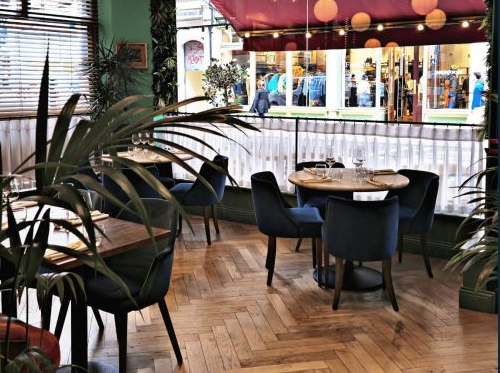
A private meal should feel special without feeling complicated. The best way to achieve that is to break the planning into clear steps, and to make each decision in good time. Many hosts start by searching forprivate dining Dublin when they want a separate room for a birthday, a work celebration or a family gathering. They also look forprivate dining rooms Dublin when the size and character of the room matter as much as the food. A step-by-step approach keeps the host in control, and it lets guests simply enjoy the evening when it arrives.
Step One: Define the Occasion
Every good plan starts with the occasion, not the room. A birthday has a different mood from a work dinner, and a family reunion feels different again. Start by writing down the reason for the gathering in one sentence. That sentence then guides the guest list, the timing and the tone. A relaxed celebration may suit a longer, informal evening, while a formal work event may need a clearer start, a structured meal and a firm finish. Next, decide who must be there and who would be welcome if space allows. A core list prevents the guest list from growing beyond the room, while a second list gives flexibility if places open up. Finally, think about what success looks like at the end of the night. For most hosts, success means guests felt welcome, conversation flowed, and no one had to worry about logistics. Keeping that simple goal in mind makes later choices far easier.
Step Two: Choose the Right Size and Shape
Room size matters more than decoration. A room that is too large can feel empty, while a room that is too small can feel crowded and noisy. Count the expected guests, then allow space for movement, for coats and bags, and for any welcome drinks before the meal. The shape of the room also matters. A long table encourages conversation across the group, while round tables can suit a larger party split into smaller groups. A separate room downstairs offers a clear advantage here: the group can talk without competing with the main dining room, and the host can set the pace. Ask about the layout in advance, and think about where the host will sit, where late arrivals will join, and how guests will move to and from the table. A short visit or a clear description of the room helps a host picture the evening before anyone arrives. Hosts comparing private dining Dublin options often start with room size, then check private dining rooms Dublin listings for layout and capacity.
Step Three: Set Timing and Menus
Timing shapes the whole evening. Lunch, early bird and dinner menus each suit a different kind of gathering, so the choice should follow the occasion and the guests. A lunch gathering suits guests who travel during the day, while a dinner gathering allows a slower, more celebratory pace. An early bird option can suit a group that wants an unhurried start before an evening event. Once timing is set, turn to the menu. Sharing the menu style in advance, without giving away every detail, builds anticipation and helps guests look forward to the meal.
Step Five: Confirm Details and Communicate Clearly
Good communication prevents most problems on the night. Once the room, timing and menu style are agreed, confirm the key details in writing: date, start time, guest numbers, room, and any special needs. Share a short, clear message with guests that covers the address, the start time and the dress tone, without overloading them with detail. The address, 27 Exchequer Street, Dublin 2, is a short walk from Grafton Street, so guests can plan their journey on foot or by public transport with ease. If guests are travelling from different parts of the city, a simple meeting point or a clear landmark can help. A final check a few days before the event is also useful. Confirm numbers, check for any changes, and pass on any updates to the venue in good time. That final check gives the host confidence, and it allows the team on the night to prepare the room properly.
On the Night: Let the Plan Do Its Work
When the night arrives, the host's job changes from planning to hosting. Arrive a little early, check the room, and confirm the table layout. Greet guests as they arrive, and let the welcome drink and the room do much of the work. A separate room helps here, because the group can settle without distractions from the main dining room. During the meal, keep the pace relaxed. Courses should arrive with enough time for conversation, but without long gaps that break the mood. If a speech or a toast is planned, keep it short and place it at a natural pause, such as between courses or after the main course. Thank guests simply and warmly, without turning the end of the evening into a formal ceremony. Hosts who follow a clear plan often find that the evening feels effortless, even though careful work went into it beforehand. That effortlessness is the real mark of a well-planned private meal, and it is what guests remember long after the details fade.
After the Event: A Simple Close
A good close matters as much as a good start. Thank guests soon after the event, while the evening is still fresh in their minds. A short message is enough, and it gives guests a chance to share their own thanks and memories. For work events, a brief follow-up can also help the team carry the positive mood back into the office. For family and friends, a shared photo or a simple note can keep the connection alive. It also helps the host to note what worked well: the room size, the timing, the menu style, and any detail that made the evening smoother. That note becomes a useful guide for the next gathering, and it saves time when planning a similar event in future. Hosts who plan in steps, from first enquiry to final thanks, often find that private dining becomes a pleasure rather than a pressure. For anyone starting that process, a clear search for private dining Dublin can be a practical first step, and a careful look at private dining rooms Dublin can help narrow the choice to a room that truly fits the group and the occasion.
Plan Your Visit
Chequer Lane by Jamie Oliver27 Exchequer Street, Dublin 2, D02 A527, Ireland+353 1 499 2424[email protected]Mon 17:00-21:00 | Tue-Wed 12:30-21:00 | Thu-Sat 12:30-22:00 | Sun 13:00-21:00